Pathogenic Variation & Environmental Stress
How does a sequence change become a molecular phenotype?
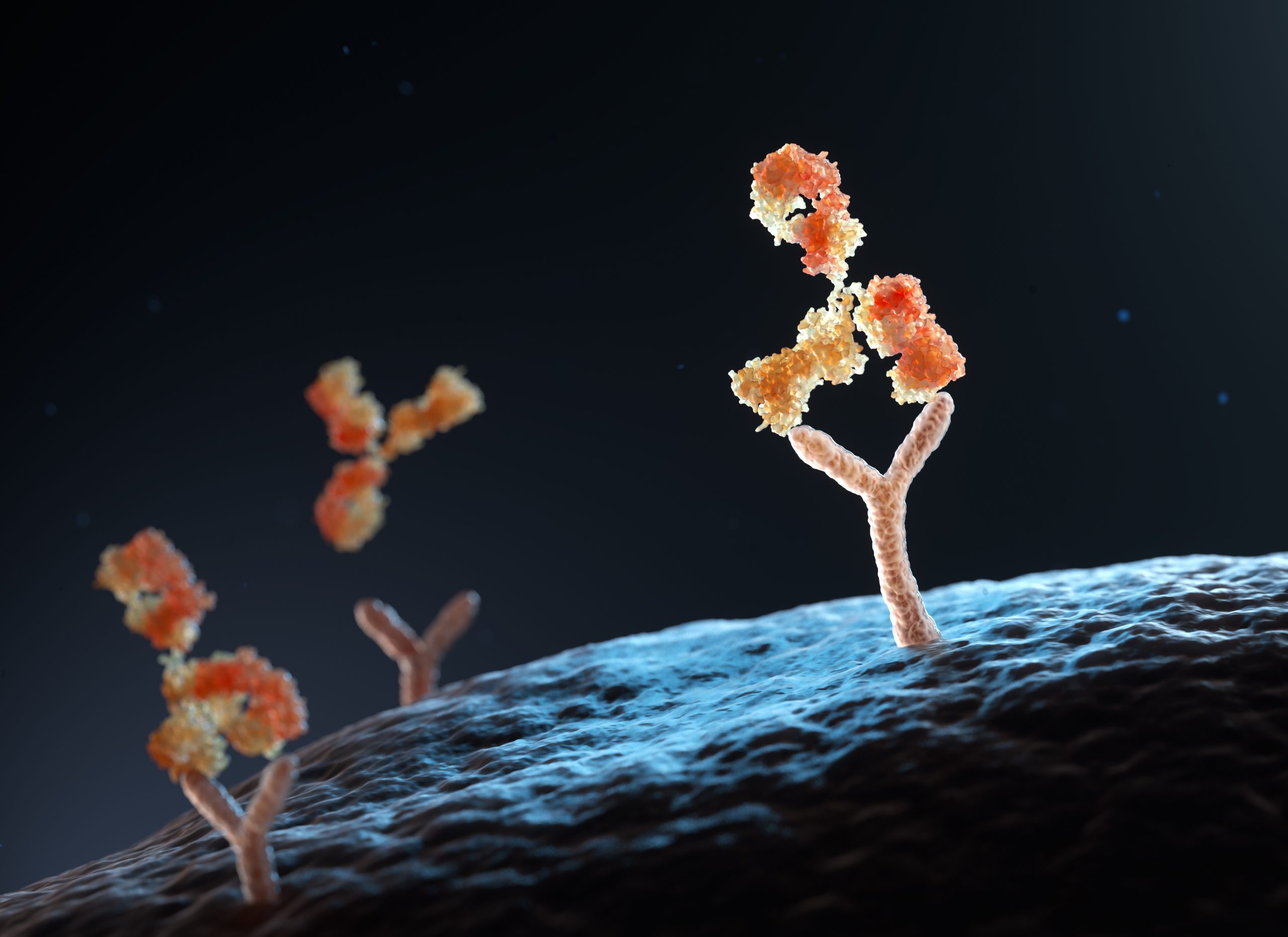
Genetic studies can associate a variant with disease without explaining what it does to the encoded protein. We investigate that missing mechanistic step. A substitution can change the conformations a protein samples, redirect communication between distant regions or alter its interactions with binding partners. Those effects may be missed by comparing static structures alone.
We connect sequence variation to molecular behavior through computational structural biology and collaborations that provide experimental tests. Our emphasis is on interpretable mechanisms: which interactions change, how collective motion responds and what those changes imply for the biological function of the molecule.
Related studies: Banerjee et al. (2024), Influence of point mutations on PR65 conformational adaptability: Insights from molecular simulations and nanoaperture optical tweezers; Yilmaz et al. (2026), Mapping the peptide interaction fingerprint of the Behçet’s disease-associated HLA-B*51.
PR65 demonstrates why dynamics matters
The PR65 scaffold study provides a published example of this approach. We identified mechanically important hinge sites, examined selected substitutions with atomistic simulations and compared their behavior with single-molecule measurements. Some substitutions favored more extended conformations, while another produced the opposite tendency. The agreement between computational and experimental results shows how a sequence change can reshape conformational adaptability.
The key outcome is a physical explanation rather than a pathogenicity label alone. The experiments and simulations relate a variant to a change in the scaffold’s behavior, providing a basis for examining how such changes could influence the assembly and regulation of PP2A.
Related studies: Banerjee et al. (2024), Influence of point mutations on PR65 conformational adaptability: Insights from molecular simulations and nanoaperture optical tweezers.

Recognition depends on sequence and molecular context
Our HLA-B*51 research examines a complementary problem: how an antigen-presenting molecule associated with inflammatory disease recognizes different peptide sequences. The 2026 study identified a common interaction pattern modified by peptide length. Together with the PR65 work, it illustrates how sequence-dependent effects become understandable when analyzed through the motions and interactions of an entire molecular complex.
Molecular context also includes binding partners and ligands. Our PP2A studies show that a ligand’s binding arrangement and its effect on scaffold dynamics depend on whether PR65 is considered alone or within an assembly. This motivates interpreting a variant within the states and interactions relevant to function.
Related studies: Yilmaz et al. (2026), Mapping the peptide interaction fingerprint of the Behçet’s disease-associated HLA-B*51; Yilmaz et al. (2026), Small Molecule Activator of Phosphatase PP2A Remodels Scaffold PR65 Structural Dynamics To Promote Holoenzyme Assembly.

Environmental stress as a research direction
We are extending this mechanistic perspective to disease-associated proteins under environmental stress. A project selected by NASA Space Biology in September 2026 investigates pathogenic mutations under conditions relevant to spaceflight. At the broad scientific level, the question is how environmental context changes the molecular consequences of a genetic variant. This is a current research direction, not a completed finding.
The broader aim is to understand when context amplifies, reduces or changes the effects of a sequence variant. Linking genetic information to molecular behavior can help formulate better mechanistic hypotheses for disease research on Earth as well as in space-related biology.
Related studies: NASA (September 14, 2026), New Crops, Health Research Proposals to Help NASA Advance Exploration.