
Our Research Domains
at the Gur Laboratory
From molecular motion to biological mechanism
We investigate how biomolecules move, interact and assemble, and how these processes produce function, disease and therapeutic response. Our work connects sequence and structure to the energy landscapes that govern molecular behavior. We combine computational molecular biophysics with collaborators’ structural, single-molecule and biochemical measurements to build and test mechanistic explanations.
Our current program has three connected directions: the mechanics of microtubule-based transport; the molecular consequences of pathogenic variation and environmental stress; and physics-informed therapeutic design. The research domains below show how these directions intersect across motors, immune recognition, cancer-related signaling, viral proteins and functional amyloids.
Cytoskeletal Dynamics & Molecular Motors
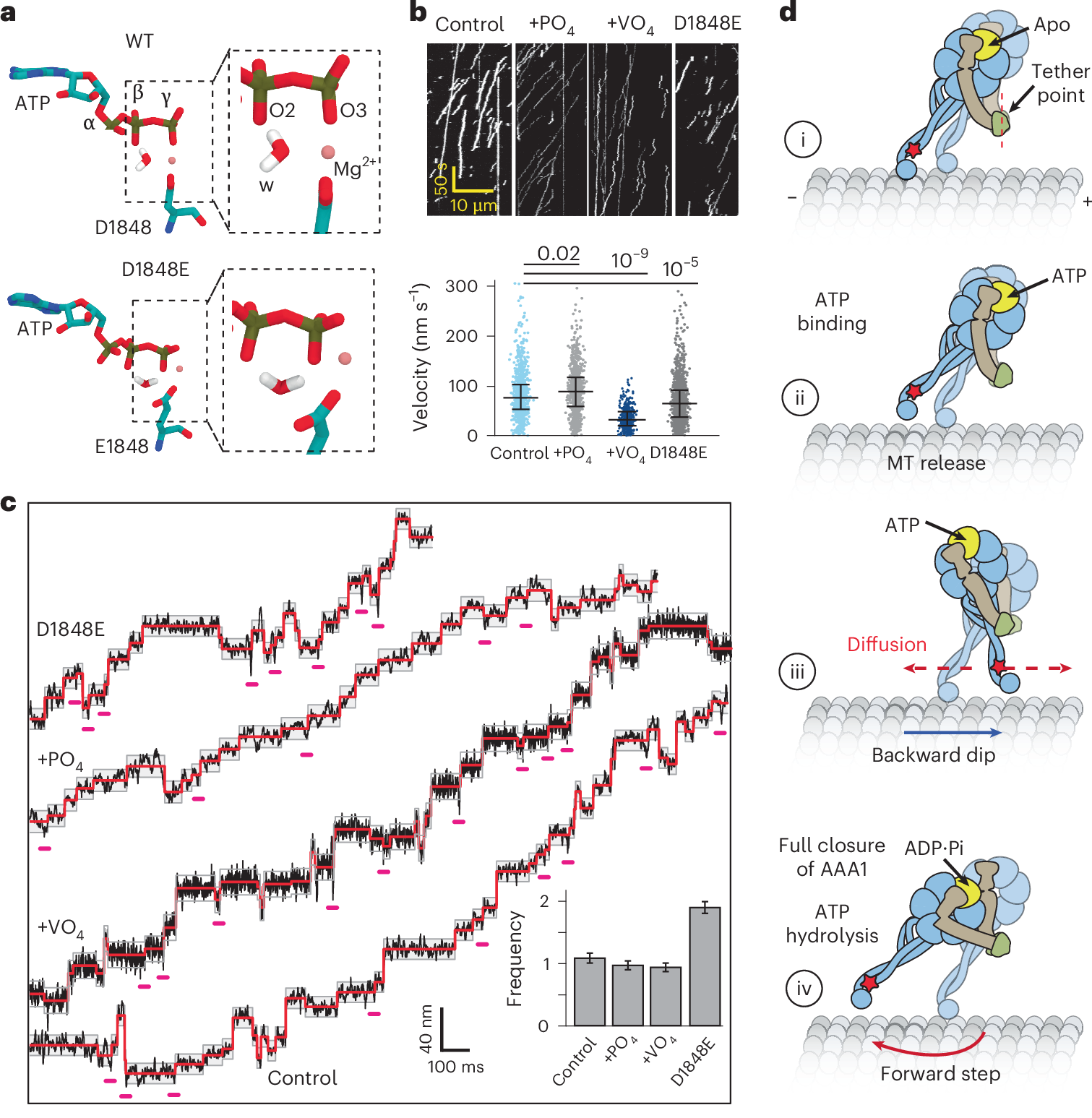
We investigate how dynein and kinesin convert chemical energy into motion, and how microtubule-associated proteins and the microtubule lattice regulate transport. Our work connects atomic interactions to motor directionality, stepping and selective access to cellular tracks.
Therapeutic Nanobodies & Protein Engineering
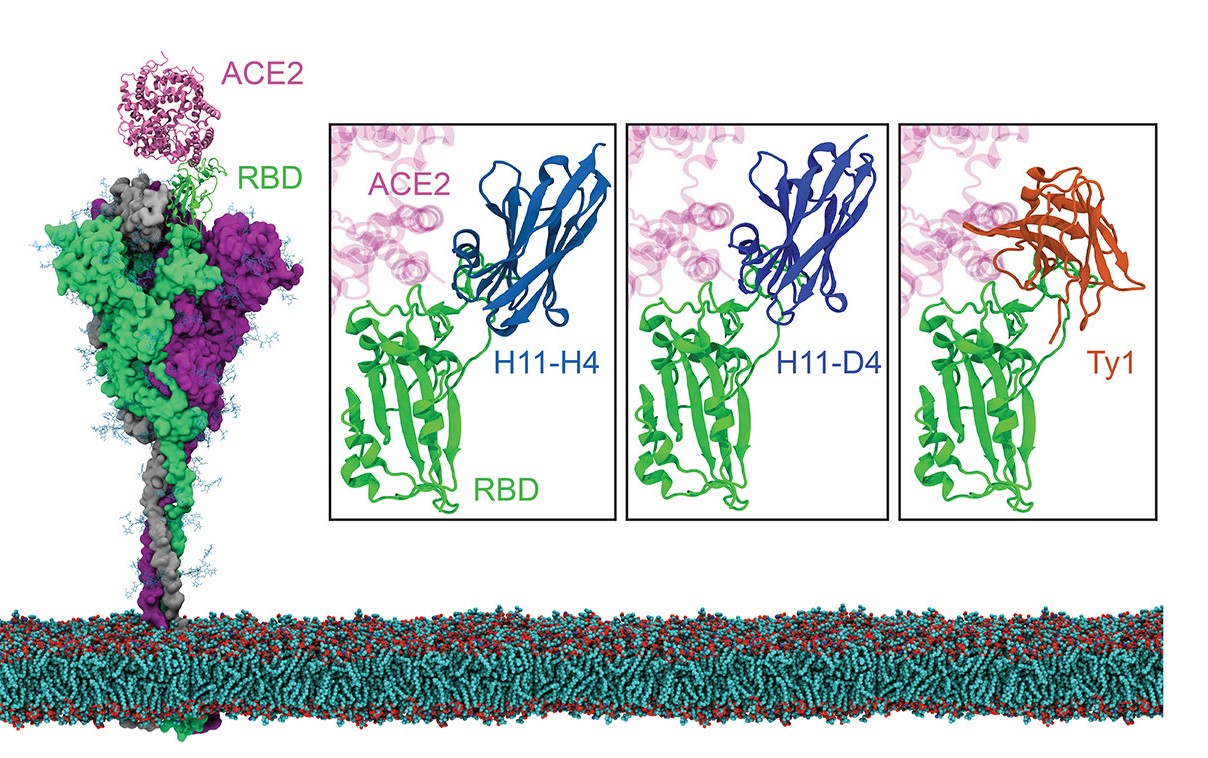
We study how nanobodies recognize their targets, how mutations change binding, and how molecular motion contributes to inhibition. Published work on SARS-CoV-2 provides a foundation for physics-informed protein engineering and the broader development of nanobodies against viruses.
Bridging Cryo-EM & Molecular Dynamics
We connect experimentally resolved structures to the molecular motions that produce function. Work on microtubule regulators and FapC amyloids combines structural observations with simulations to explain interactions, conformational changes and assembly.

Immunology & Autoimmune Disorders
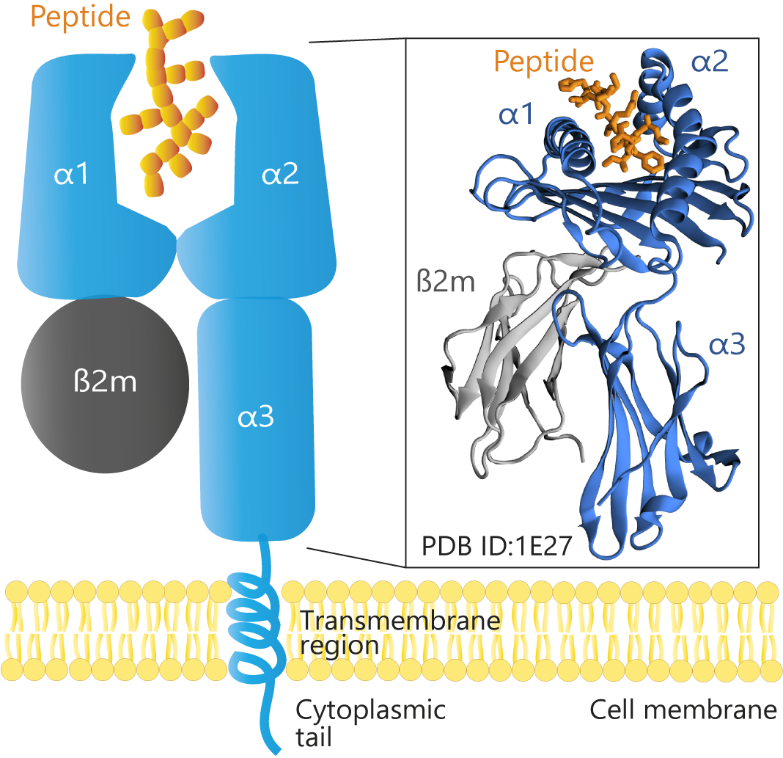
We investigate how HLA-B*51 recognizes peptides and how sequence and peptide length shape antigen presentation. Our simulations connect a major genetic association with Behçet’s disease to specific molecular interactions and measurable features of peptide binding.
Methodological Innovations in Computational Biology
We develop methods that connect collective protein motions to atomic interactions, transition energetics and binding mechanisms. Our toolkit includes multiscale sampling, elastic network models, free-energy calculations, computational force spectroscopy and covariance-based interaction analysis.


Cancer Biology & Therapeutic Targets
We study how mutations and small molecules reshape the dynamics of proteins involved in cancer-related signaling. Our PP2A work connects the mechanics of its PR65 scaffold to ligand recognition, stability and assembly, providing a mechanistic foundation for therapeutic modulation.
Virology & Infectious Disease
We investigate molecular events that support infection, from viral receptor recognition to the assembly of bacterial biofilms. Our studies connect protein dynamics and interaction networks to mechanisms of spike activation, receptor binding, nanobody inhibition and functional amyloid formation.


Pathogenic Variation & Environmental Stress
We connect genetic variation to changes in protein dynamics, interactions and function. Studies of PR65 and HLA-B*51 establish a foundation for understanding molecular effects in context, including the broader question of how environmental stress influences disease-associated proteins.
Our Interdisciplinary Perspective
Our research connects molecular physics, structural biology and disease-focused questions. We combine computational models with collaborators’ experiments to explain how biomolecular motion produces function, how that function fails and how it might be controlled.